Discussion
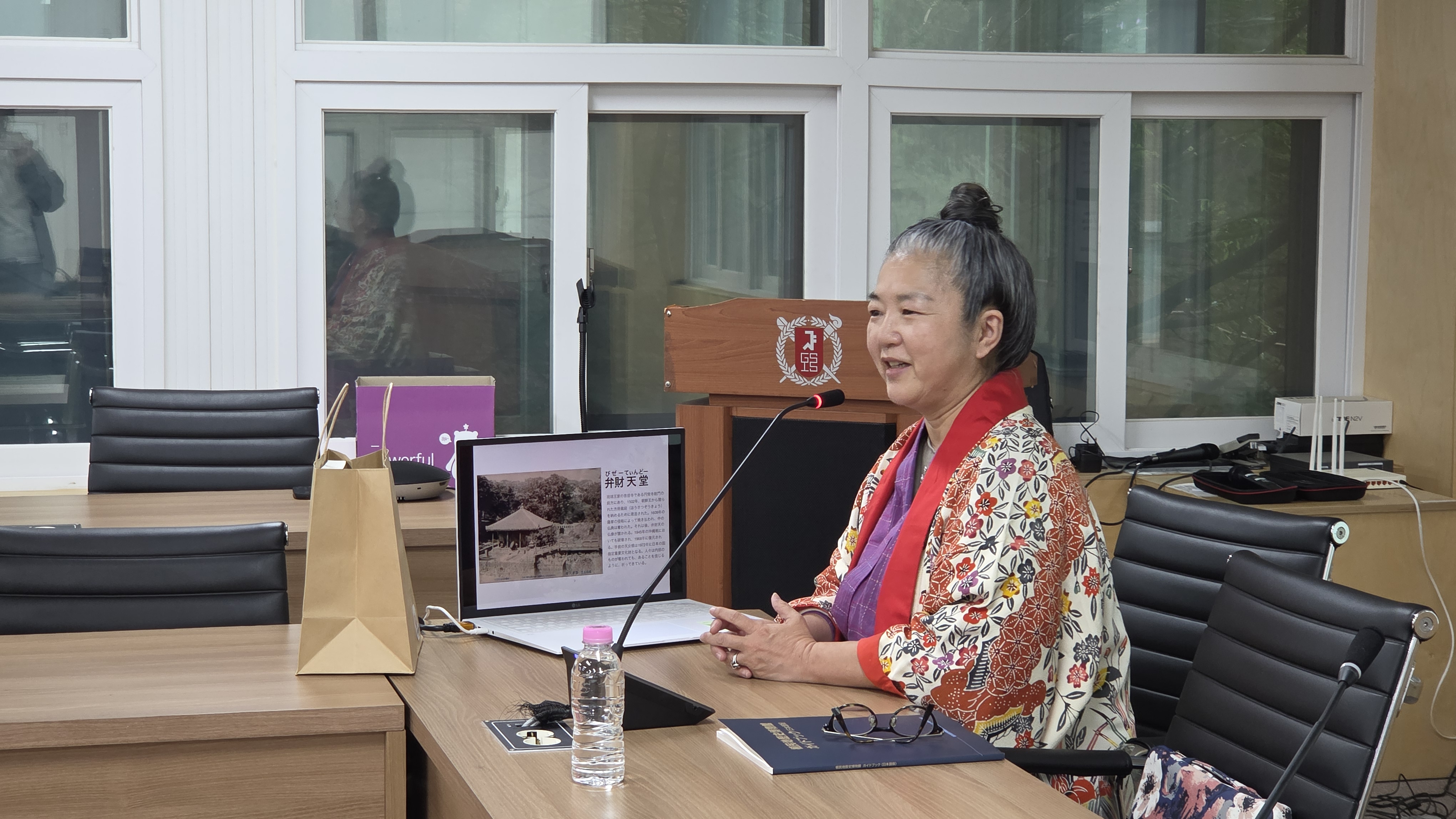
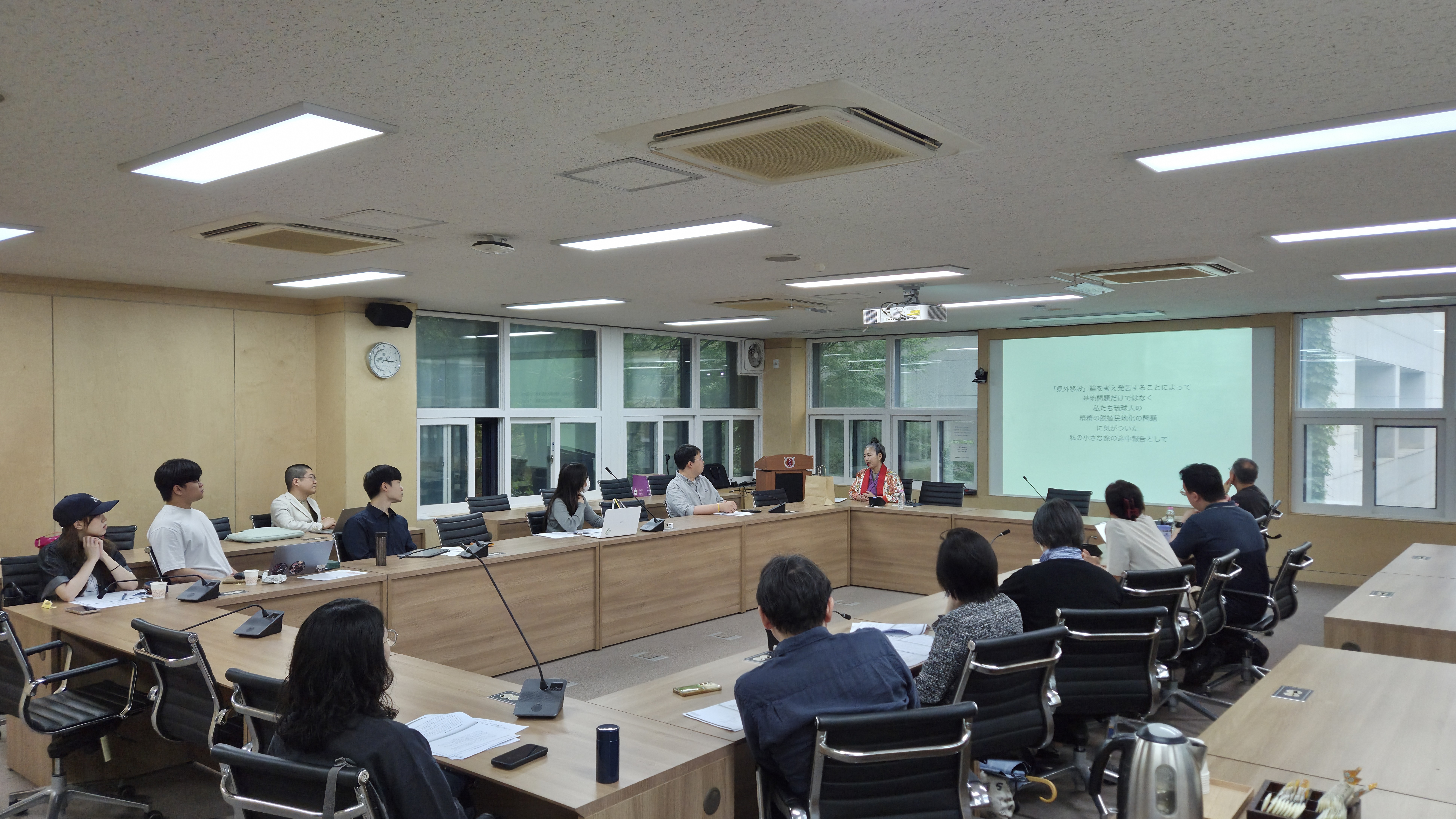
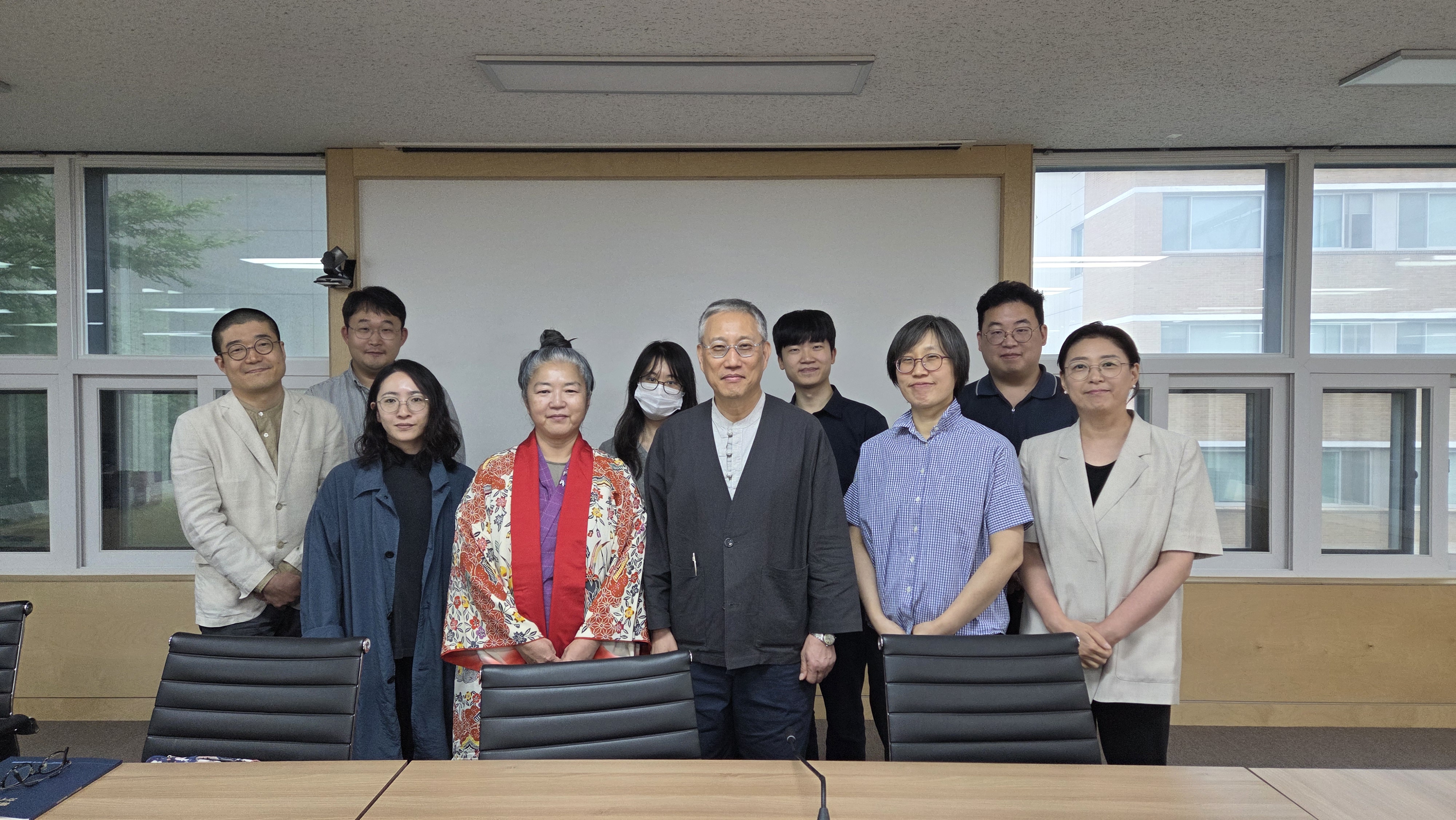
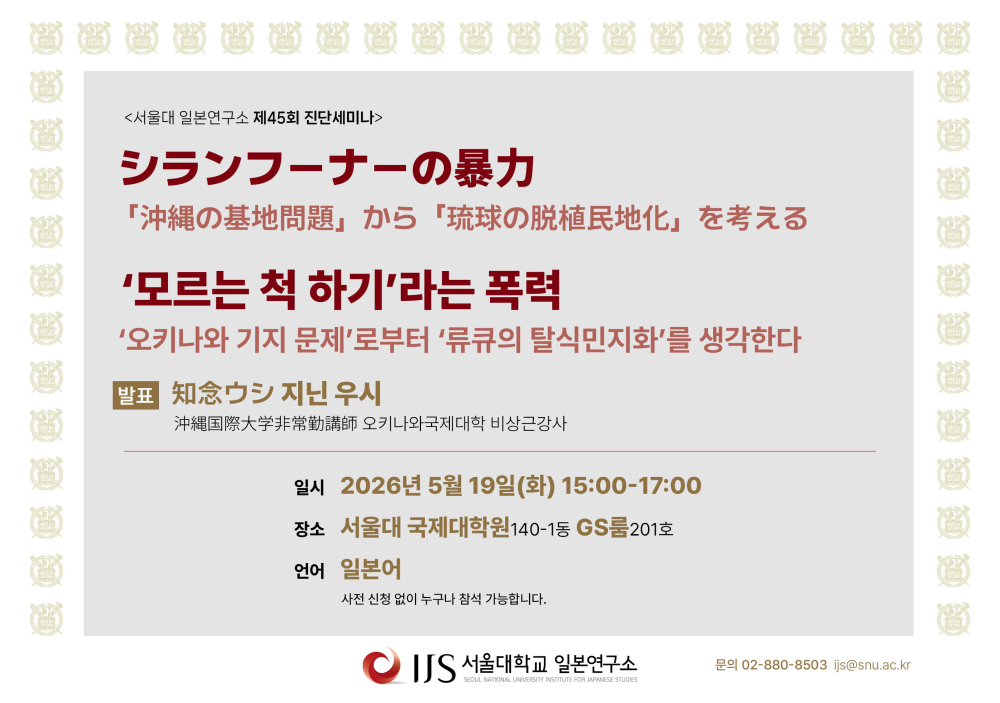
On Tuesday, May 19, 2026, the 45th Japan Diagnosis Seminar, titled “The Violence of ‘Pretending Not to Know’: Thinking about the ‘Decolonization of Ryukyu’ from the ‘Okinawa Base Issue,’” was held in the GS Room of the Graduate School of International Studies at Seoul National University. The presenter was CHININ Ushi (知念ウシ), Part-time Lecturer at Okinawa International University, and the 60-minute lecture was followed by a Q&A session of approximately 20 minutes.
Introducing her own history of growing up as a Ryukyuan from Okinawa, the presenter discussed the “awareness of colonialism” embedded as structural discrimination, moving beyond the “Okinawa base issue.” First, she pointed out the power relations revealed in words such as “hondō (mainland)” and “naichi (interior),” and noted that the “Okinawa base issue,” which sustains the US–Japan security system, is in fact an issue for Japan as a whole and not a burden that Ryukyuans should naturally be expected to accept. She then explained why the issue of relocating the bases is no longer a military or geopolitical issue but a political one, drawing attention to the fact that Okinawa has existed as a space where opposition from local residents could be ignored. Introducing various civic and solidarity activities taking place over the land of Ryukyu, including the movement to relocate military bases “outside the prefecture,” the seminar provided an opportunity to reflect on the “violence of pretending not to know” seen among Japanese people, as well as the “awareness of colonialism” revealed in the process by which Ryukyuans themselves confront Japanese assimilationism.
In the Q&A session that followed, participants shared their impressions of the lecture and exchanged views on how to respond not only to violence arising from “pretending not to know” but also to violence arising from “not knowing”; the ways in which ongoing issues of colonialism, including those in Okinawa, correspond with democracy; the future direction of Okinawan local politics regarding the Okinawa base issue after the recent House of Representatives election; and differences in perception between Korea and Okinawa regarding the relocation of US military bases and experiences of colonialism.